Captain Ratatype
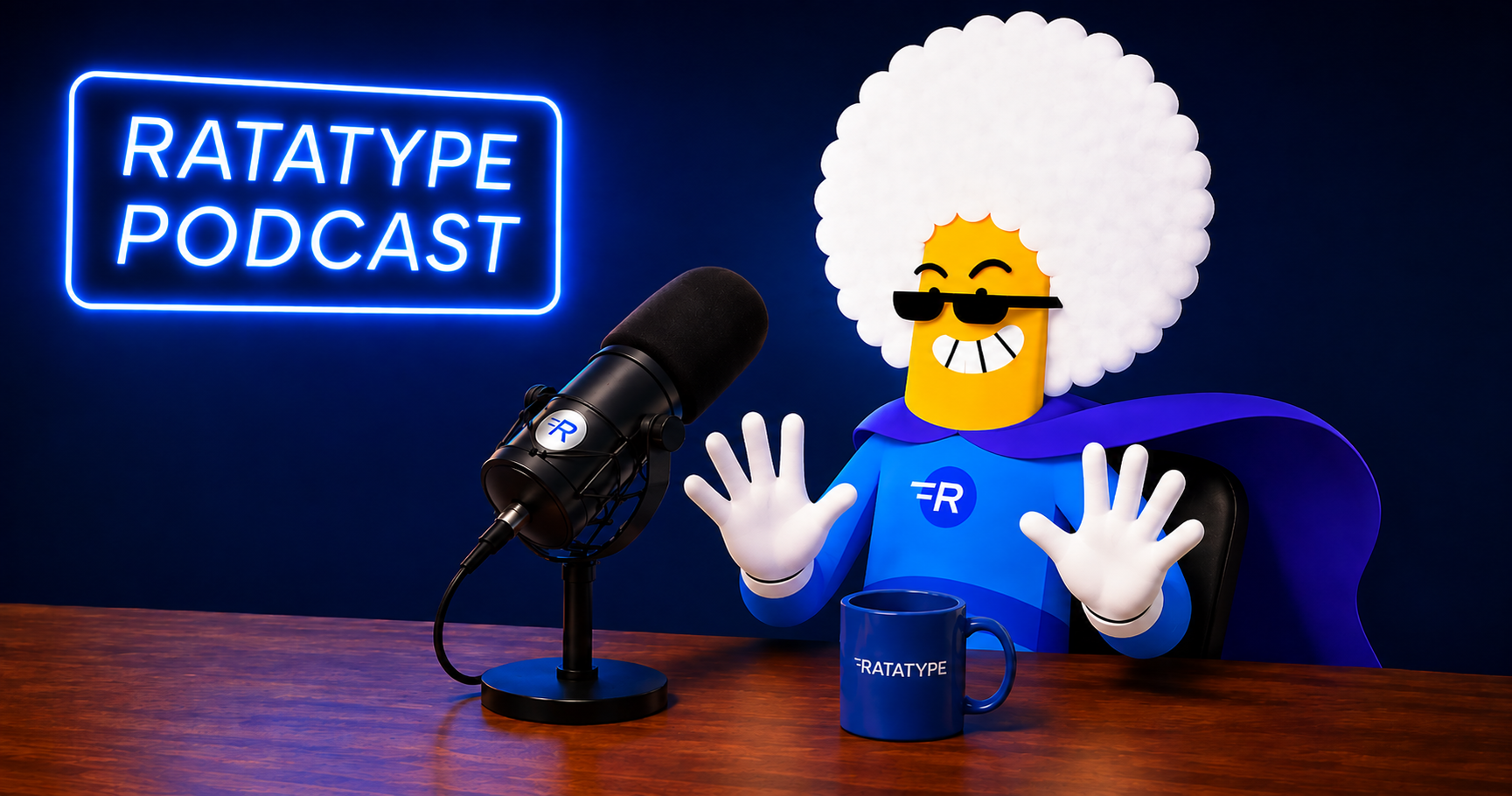
So who am I? Captain Ratatype — your loyal assistant, coach, and support team all rolled into one. For 13 years, my team and I have been helping people master the ten-finger typing method, and there's plenty I can tell you about this brilliant skill. Here are the top questions about typing practice. Let's crack on!
— Does typing practice genuinely make you more efficient at work?
In short — yes. Do typing practice for at least 15 minutes a day over a month, and you'll boost your typing speed by 10–15%. That's a genuine saving in time. We've already worked it out and proven it: you can save up to 20 days of your life every year simply by typing faster. Give the training a go and you'll see it for yourself.

— How many exercises should I get through each day?
As many as you like, though it's best to finish at least one lesson in a single sitting. What matters most is doing each exercise as well as you can — no typos, no mistakes, and a steady rhythm. On Ratatype, you can check your result after every exercise, and if it isn't quite right, simply have another go.
— Can you learn touch typing through typing practice on your own?
In theory, yes — but it's rather tricky in practice. The thing is, the real secret behind typing practice comes down to muscle memory. Your fingers need to know instinctively which keys to hit, with each one responsible for its own patch of the keyboard. That's precisely why it matters to go about typing practice the right way, rather than simply bashing out reams of text.
— With voice input, AI assistants and the rest, does anyone still type on a keyboard?
I did, typing this very text to tell you why typing matters :) All joking aside, the day we stop typing altogether is still a long way off — if it ever comes at all. Meanwhile, genuine jobs in hundreds of thousands of offices exist right now. And if you want to do well in your studies, land your dream job, and be efficient and in demand, typing practice certainly won't hold you back — quite the opposite, actually.
— How should I present typing practice as a plus on my CV?
Simply as it is — just list your blisteringly fast typing speed alongside your other skills. Better still, add a typing speed certificate to your CV, so a prospective employer can see straightaway that you're quick in more than just words.
— Who actually needs a typing speed certificate?
It's easier to say who doesn't. There's hardly a job out there that doesn't involve a keyboard in some way. The more skills you can back up on your CV, the better your chances of landing your dream role. The typing speed test takes no more than 5 minutes, yet the certificate stays with you for good. To my mind, that's a thoroughly worthwhile use of your time.
— Right, I want to start typing practice — what now?
It couldn't be simpler. You're already on Ratatype, so all you need to do is sign up, pick a course to learn with, and get stuck into your typing practice. Ideally, take a typing speed test before you start, so you've got something to measure your progress against later on. It's also worth mixing things up now and then — swap the trainer for a spot of keyboard games to sharpen your accuracy.
Got any more questions? Feel free to drop me a message on Instagram!
So then, shall we get on with it?