Captain Ratatype
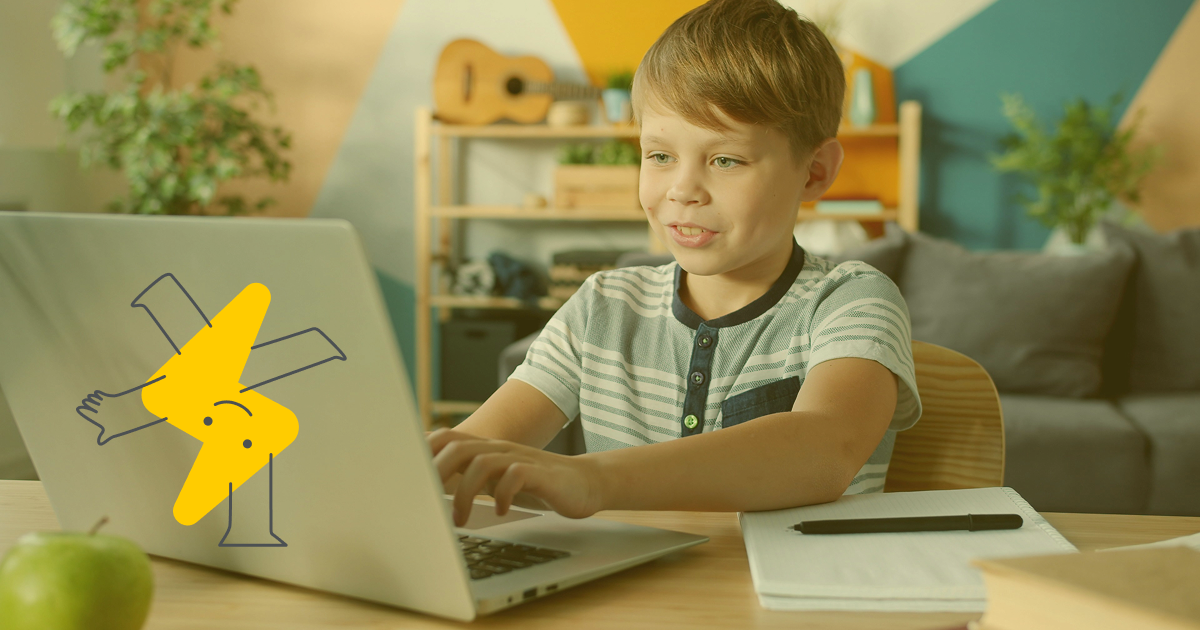
How typing is taught in schools varies from country to country. In the US, for instance, keyboarding is a compulsory part of the timetable, whereas in the UK typing is covered within the computing and digital literacy curriculum. Pupils in Spain, France, Poland, Ukraine and plenty of other countries are learning to type quickly, too.
Introducing children to the keyboard
Ideally, children should begin getting to know the keys early on in primary school. To start with, they're simply shown where each key sits on the keyboard; after that, they learn how to position their hands properly. Ratatype has an in-depth guide on how to learn touch typing, which explores the link between muscle memory and typing speed.
Once they've got the basics, pupils can move on to trickier exercises and practise building up their speed and accuracy.
How fast should children be able to type?
There isn't one international benchmark. Expectations differ between countries and even between individual schools. Averaged out, though, the targets look roughly like this:
- Ages 7–8: learning correct finger placement and getting familiar with the keyboard
- Ages 8–9: around 5–10 WPM
- Ages 9–10: around 10–15 WPM
- Ages 10–11: around 15–20 WPM, plus beginning to master touch typing
- Ages 11–13: around 20–30 WPM
- Ages 13–16: around 30–40 WPM
- Ages 16+: around 40 WPM – a solid baseline for study and work
That said, speed isn't what matters most. The real priority is placing the fingers correctly on the keyboard and typing without glancing down at the keys.
Keeping children motivated to learn touch typing
Typing practice should never feel like a chore. Once children lose interest, they tend to fall back on two-finger typing and stop paying attention to proper technique.
That's why learning through play works best. Fun exercises, colourful characters, a dark theme, rewards and achievements – all of these give pupils an extra reason to keep going.
Ratatype offers all of this and more. Keyboard games can be a teacher's secret weapon, too, as they're brilliant for improving accuracy. Best of all, children feel as though they're simply playing – and that they've got the best teacher in the world, who lets them play games in the middle of a lesson ;)
How teachers can keep track of pupils' progress
It couldn't be simpler. On Ratatype, you can set up classes, add your pupils and see at a glance when they last practised and what results they've achieved. Upgrade to Ratatype Plus for Classes to remove exercise limits, unlock the dark theme and get a bonus character to keep lessons varied.
In short, teaching touch typing at school is a brilliant investment in a child's future CV and their digital skills. Give Ratatype a go with your classes and see for yourself: nothing beats game-based exercises and fun games when it comes to learning to type.