Captain Ratatype

What 460 parents across the globe told us
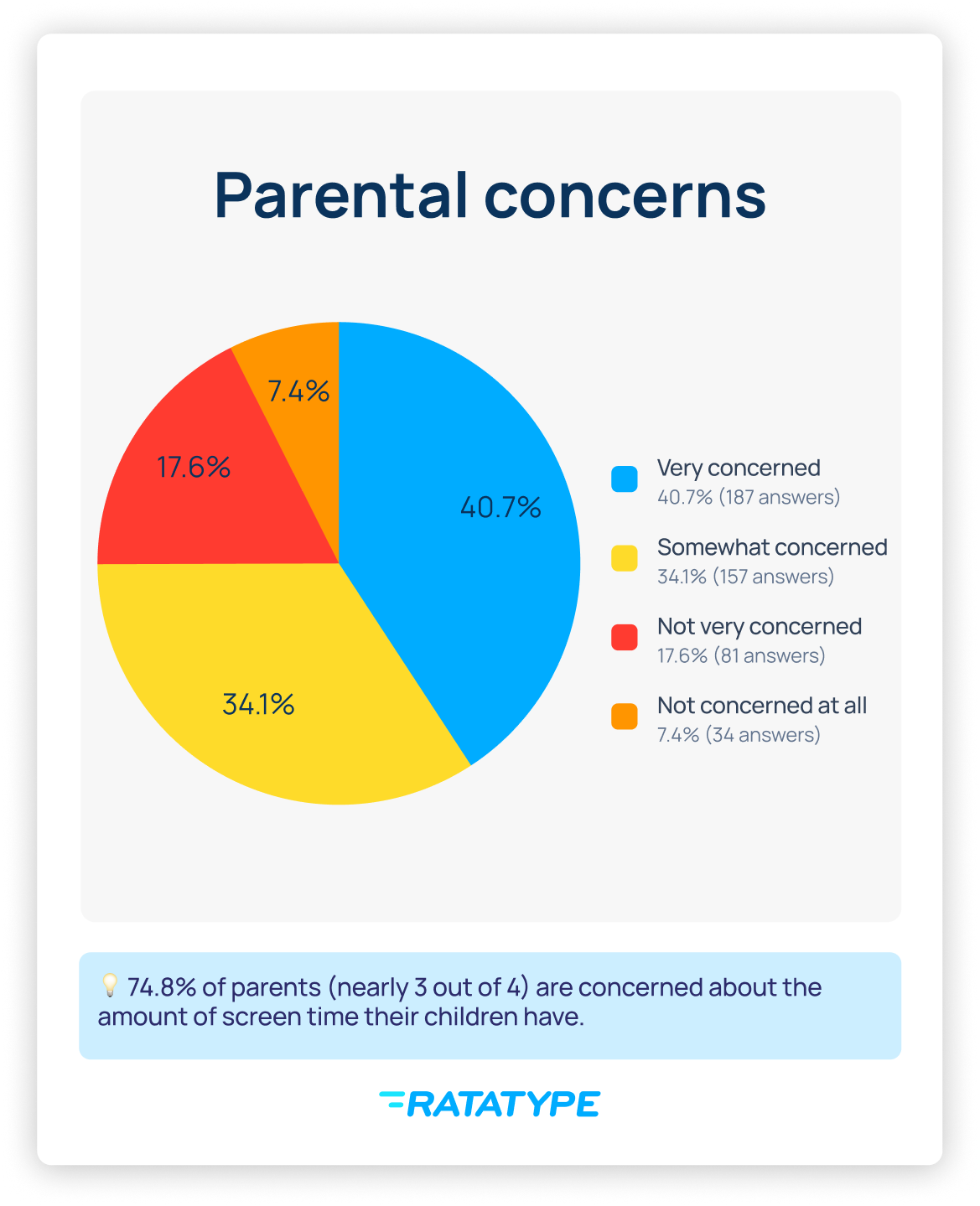
Screen time has become a battleground in households worldwide. Nearly three-quarters of parents surveyed — 74.8% from Ukraine, the US, Britain, Spain and elsewhere — confess to feeling genuinely worried about their children's device habits and overall digital wellbeing.
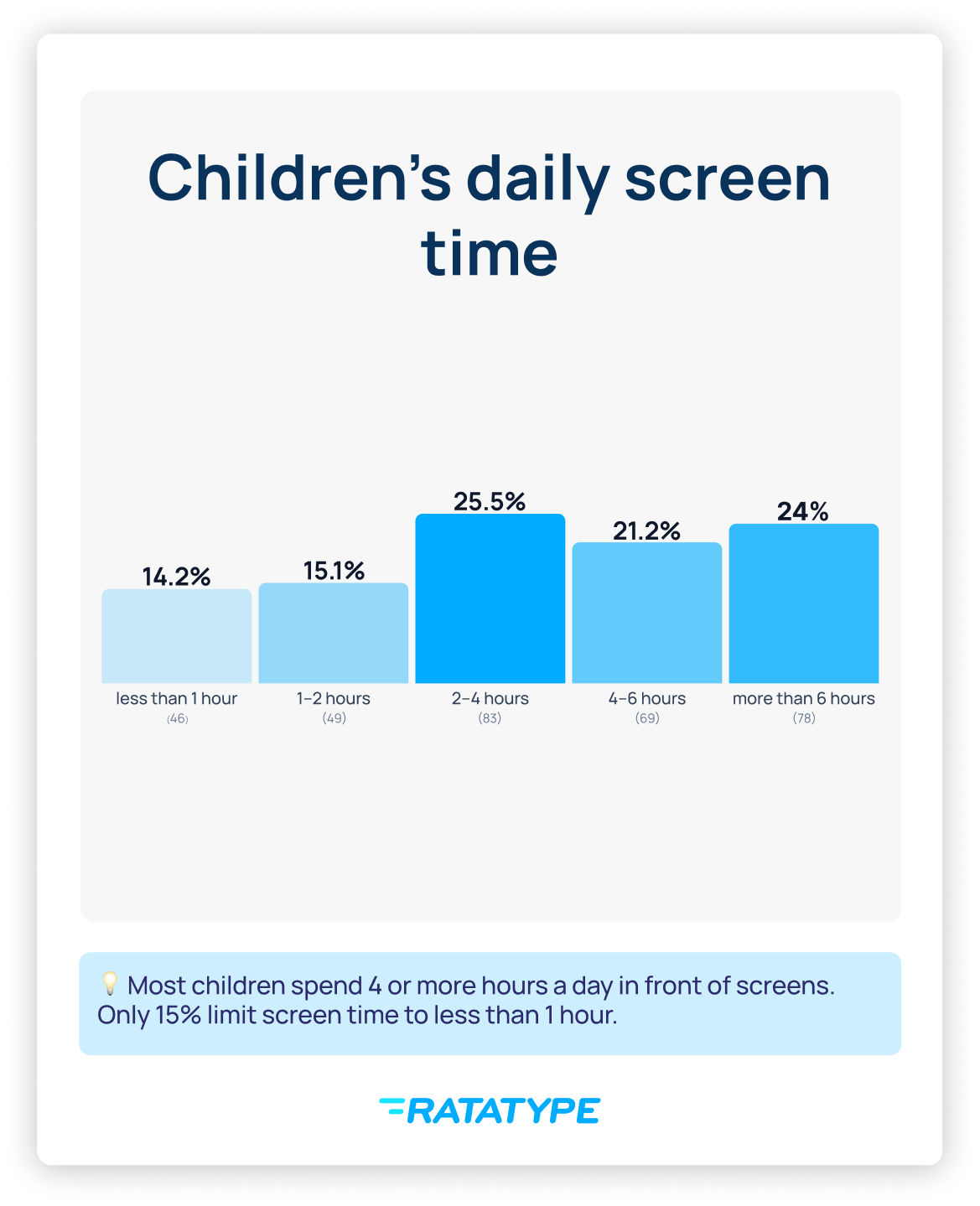
The numbers are sobering. Two-thirds of children are on their devices for four hours or more daily, with the majority exceeding the two-hour mark every single day — well beyond what's typically considered healthy screen time.
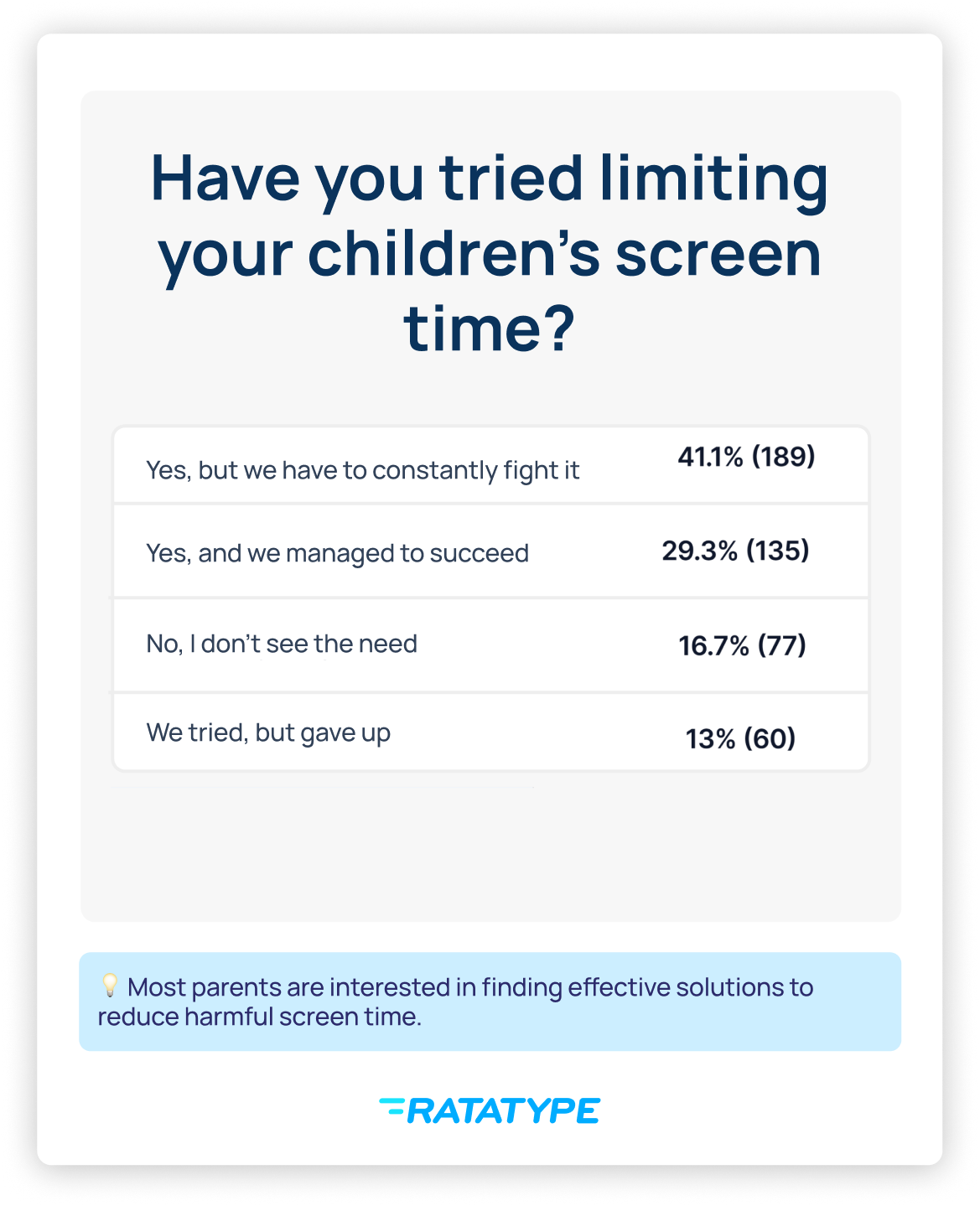
Setting boundaries proves challenging. Whilst most parents attempt to enforce limits using parental controls and household rules, success remains elusive for many. One in eight have admitted defeat entirely.
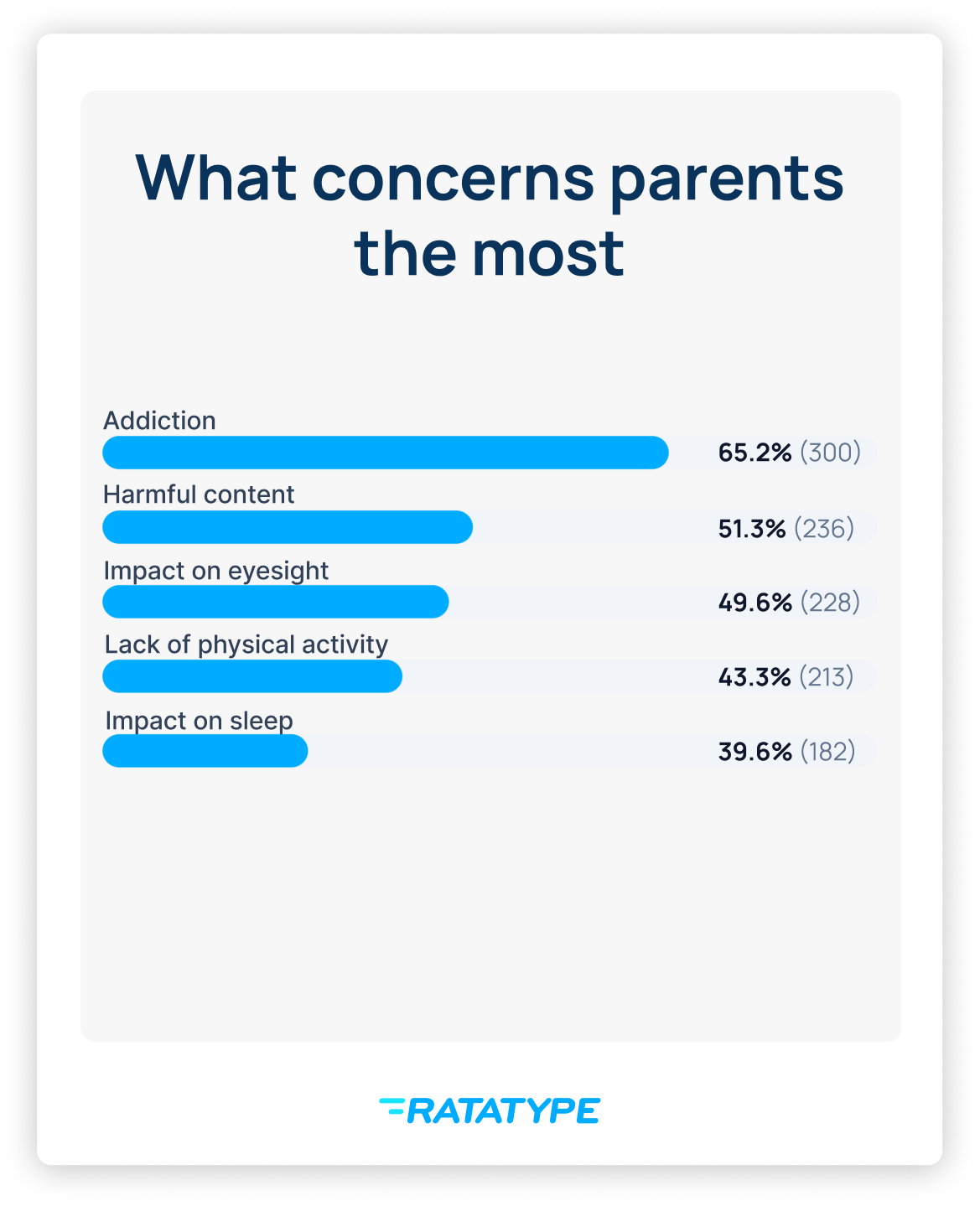
What troubles parents most? Addiction tops the list, followed closely by concerns about exposure to inappropriate or damaging content affecting young minds. It's precisely these worries that are driving families towards parental controls and digital wellbeing solutions.
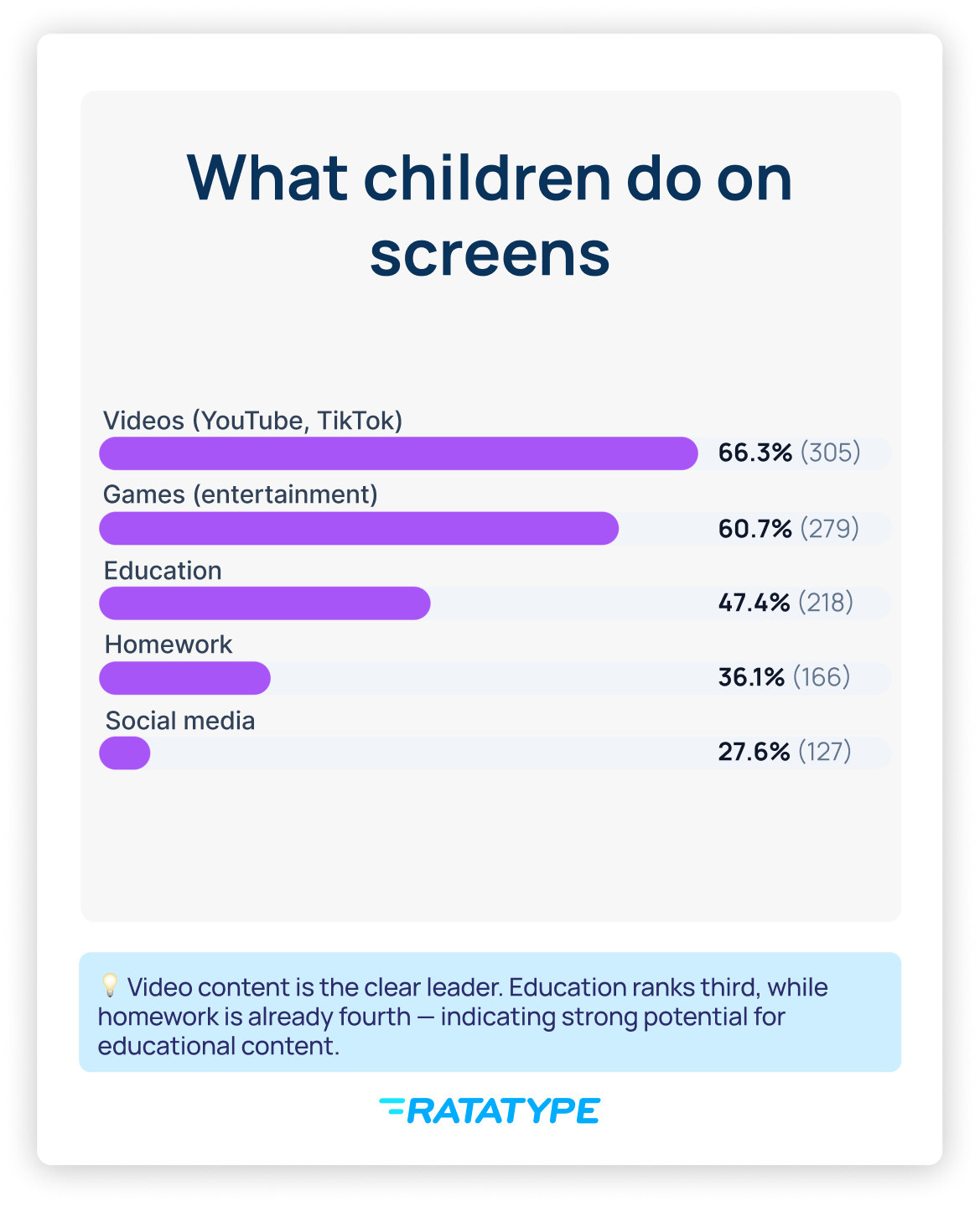
Smartphones, tablets and televisions dominate children's attention — predominantly for videos and gaming. Yet, there's a silver lining: nearly half (47.4%) are engaging with educational applications, demonstrating that healthy screen time is achievable.
Here's what's particularly telling: 87.4% of parents believe what children watch matters more than how long they watch it. Quality trumps quantity — and families are keen to see screen time become genuinely productive. This represents a maturing view of digital wellbeing.
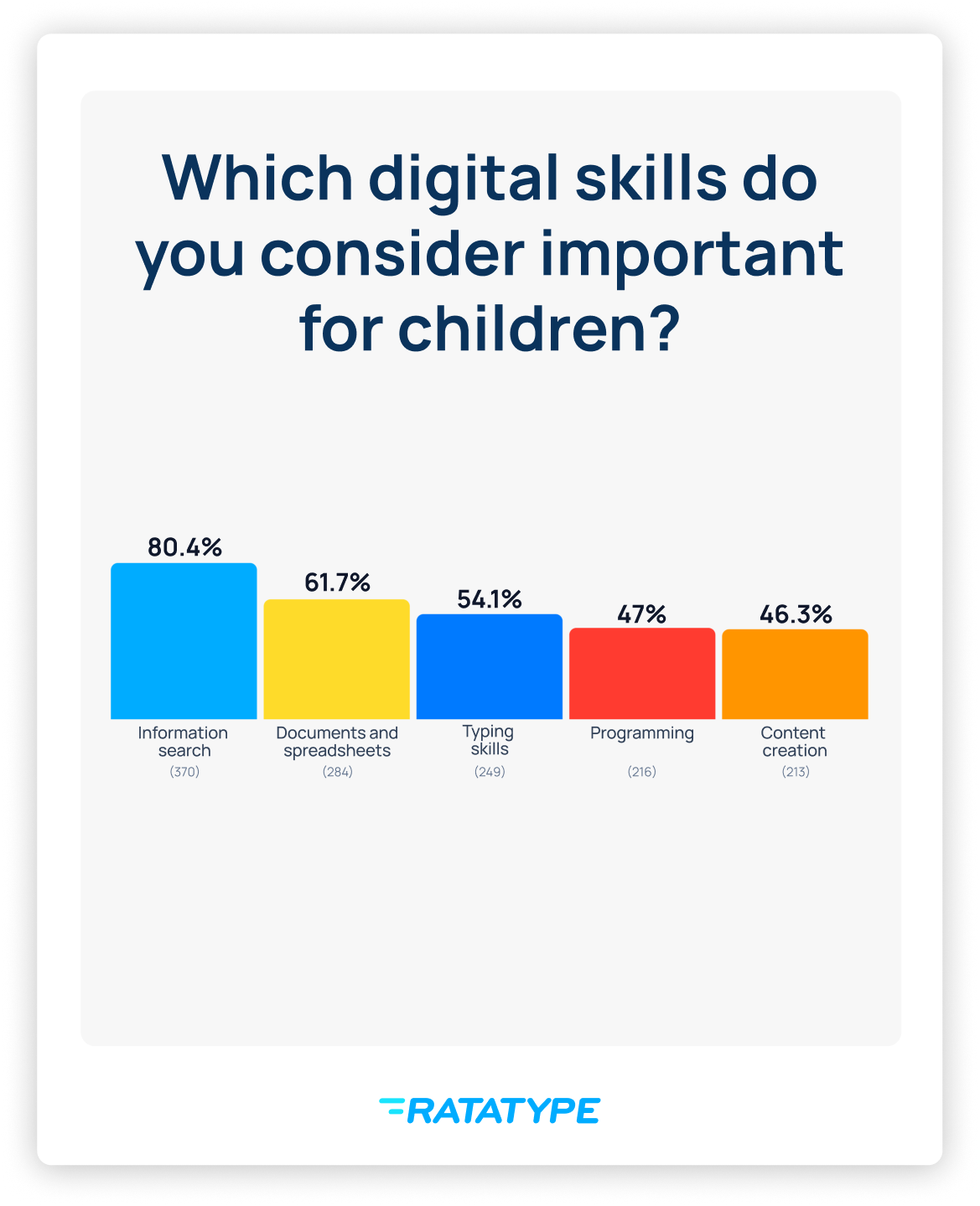
Parents have clear expectations for their children's digital literacy. Top of the list: researching information effectively, working with documents and spreadsheets, mastering touch typing, grasping coding fundamentals, and creating digital content.
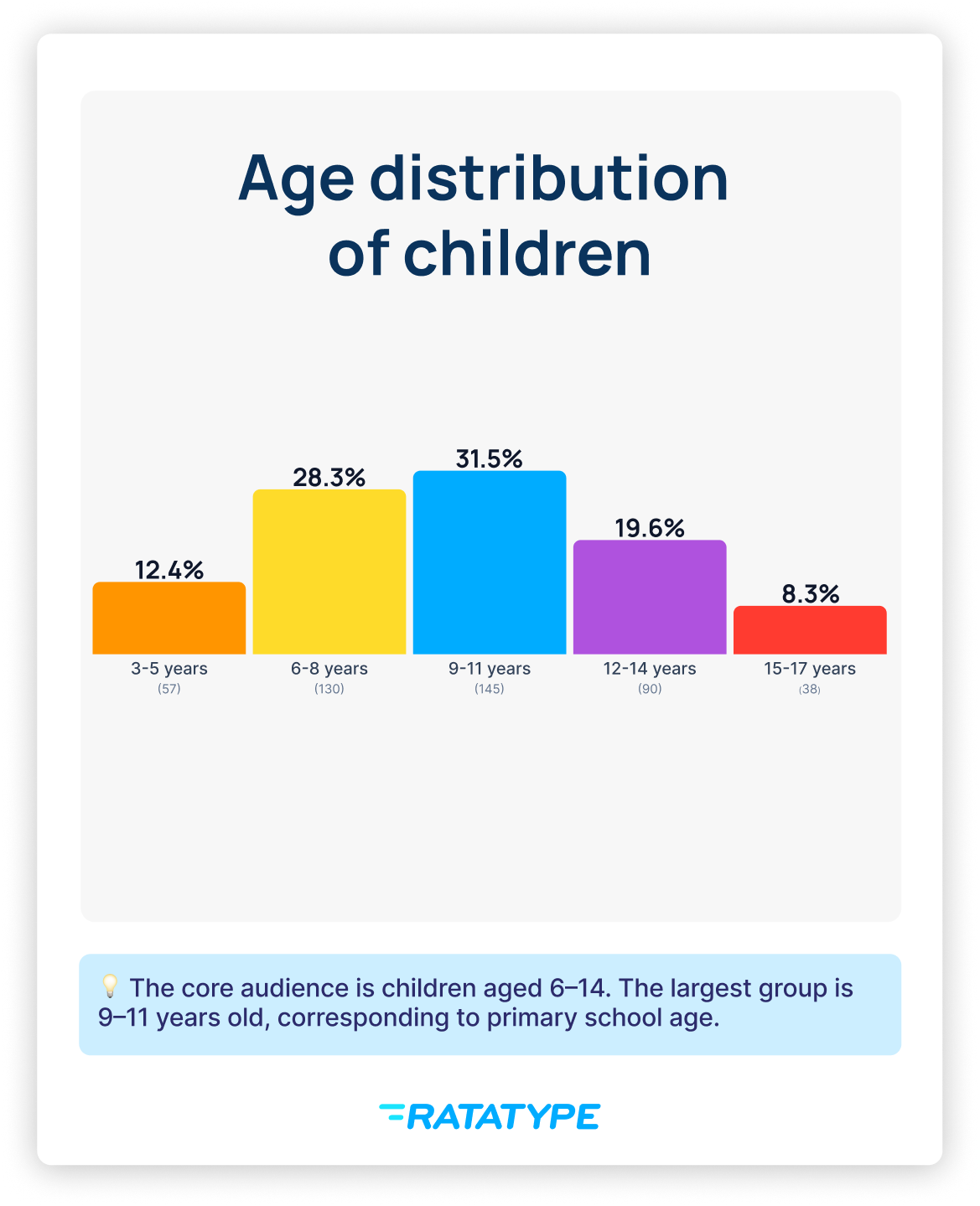
The survey covered families with children aged between 3 and 17. The research gathered responses from 460 parents across Ukraine, the US, Britain, Spain, Poland, Germany and several other countries.
We've previously covered how to set up parental controls on both iPhone and Android devices. Do have a look at our guides — they'll help your child maintain healthy screen time habits without overreliance on gadgets.
Working in education, you quickly realise that screen time isn't inherently problematic. What matters is how that time is spent. We want children developing real skills — not simply scrolling through social feeds or binge-watching content.
Consider this: proper touch typing skills can save up to 20 days annually once you're in the workplace. Even gaming can serve a purpose. That's precisely why we developed Ratashooter — a typing game designed to make learning genuinely enjoyable rather than a chore.
Andriy Borovyk, founder and CEO of Ratatype.
We'd love to know: how much screen time do your children have?